Articles
Financial Education Library
Deep-dive articles on personal finance, economics, investing, and careers — each with learning guides, key takeaways, reflection questions, and connections to the interactive learning tools on this platform.
Showing 201 articles


How Location Affects Your Financial Life: Cost of Living Explained
The same salary can mean wealth in one city and struggle in another. Cost of living — the price of housing, food, taxes, and transportation — varies dramatically by location. Understanding this helps you make smart decisions about where to live and work.

Why Waiting 24 Hours Before Buying Saves Money
The simplest anti-impulse strategy in personal finance - why a single rule can save hundreds of dollars a month without eliminating any real enjoyment.

Liquidity: Why Access to Your Money Matters
Some assets can be converted to cash instantly. Others take months. Understanding liquidity helps you ensure you always have access to money when you need it — without being forced to sell at a loss.

How to Save Money on Groceries Without Coupons
Food is often the biggest variable expense in a teen or young adult's budget. You don't need to spend hours clipping paper coupons to eat well; learn the strategic shopping habits that cut your bill significantly while keeping your kitchen stocked with healthy food.

Compound Interest: The Most Powerful Force in Finance
Einstein supposedly called compound interest the eighth wonder of the world. Whether or not he said it, the math behind it is genuinely extraordinary.

Understanding APY: What That Percentage Really Means
When a bank advertises '4.5% APY,' what does that actually mean for your money? APY is the real rate of return on your savings, accounting for compounding. Understanding it helps you compare accounts and know exactly how much your money will grow.

How Companies Use Colors and Music to Make You Buy
The science behind retail psychology - why stores smell the way they do, why music tempo affects spending, and how color choices are never accidental.

Deductibles and Premiums: The Insurance Trade-Off
Every insurance policy has a deductible (what you pay before insurance pays) and a premium (what you pay monthly). Understanding the relationship between these two numbers helps you choose coverage that fits your budget and risk tolerance.

Secured Credit Cards: Your Credit-Building Stepping Stone
Can't get approved for a regular credit card? A secured card is the bridge. You put down a deposit, use the card responsibly, and graduate to an unsecured card in 6-12 months. Here's how to choose and use one effectively.

Saving vs. Investing for Retirement: The Critical Difference
Putting money in a savings account feels safe — but for retirement, it's actually risky. Over decades, inflation erodes cash savings while investments grow. Understanding this difference determines whether you retire comfortably or struggle.

High-Yield Savings Accounts Explained
Learn how a high-yield savings account can make your money work harder for you. By offering interest rates significantly higher than traditional accounts, these vehicles are perfect for growing your emergency fund or saving for big purchases with virtually zero risk.

Behavioral Biases: The Mental Traps That Cost You Money
Your brain uses shortcuts that sometimes lead to bad financial decisions. These mental traps — biases — affect everyone, even experts. Understanding them helps you avoid costly mistakes.

The Tax Cuts and Jobs Act: What's Expiring in 2025 and What It Means for You
Major provisions of the 2017 Tax Cuts and Jobs Act are set to expire at the end of 2025. From standard deductions to child tax credits, here's what could change for ordinary taxpayers.
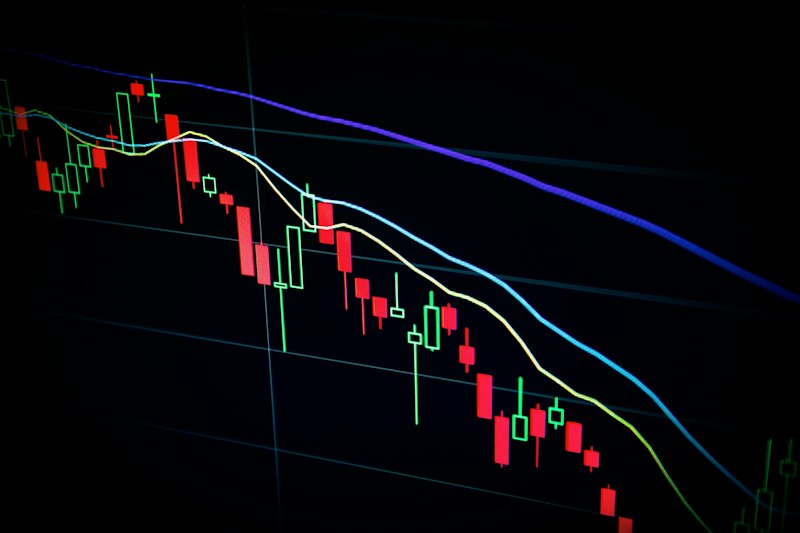
Leverage: How Borrowed Money Can Build or Destroy Wealth
Leverage means using borrowed money to invest — amplifying both gains and losses. It's how real estate investors buy properties they can't afford outright, and how people lose everything in market crashes. Understanding leverage is essential for advanced investing.

Employer Matching: The Free Money You Shouldn't Leave on the Table
If your employer offers a 401(k) match and you're not taking full advantage, you're turning down free money — often thousands of dollars per year. Understanding how matching works is the most important 401(k) lesson.

How to Build a Budget When You Have Irregular Income
Freelancers, gig workers, and seasonal employees face budgeting challenges traditional advice ignores. Here's a system that actually works for variable income.
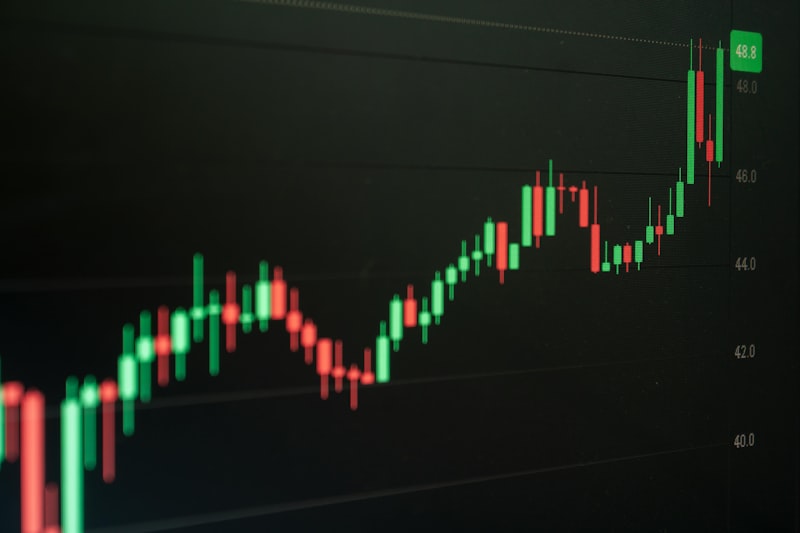
Long-Term Investing: Why Time Beats Timing
The single biggest advantage in investing isn't skill, luck, or inside information — it's time. Starting early and staying invested for decades beats trying to pick the perfect moment to buy and sell.

Tax Withholding: Why Your Paycheck Isn't Your Full Salary
When you earn $50,000 but only take home $38,000, the difference is withholding. Understanding how withholding works helps you avoid surprises at tax time and adjust your take-home pay.

Anchor Pricing: Why "Was $100, Now $50" Works
Have you ever walked into a store and felt like you got a steal just because the price tag showed a massive discount? That's the power of anchor pricing, a cognitive bias that changes how we value items based on the first price we see. Let's break down the math and the psychology behind these common deals.

Real Estate Investing Strategies: From House Hacking to REITs
Real estate has built more wealth than almost any other asset class. Here's how it works, what strategies real investors use, and how anyone can get started.

How to Get Out of Debt: Snowball vs. Avalanche
Debt can feel overwhelming. But with a clear strategy, most people can pay it off faster than they think. Here are the two most effective methods - and how to choose.

Buying Your First Car: A Step-by-Step Financial Guide
Your first car is a major financial decision. The wrong choice can burden you with years of debt and high insurance. Here's how to buy smart — from setting a budget to negotiating the best deal.

How Banks Work: The Basics
Banks are not just safe boxes for your money. They create credit, earn profits, and form the backbone of the modern economy. Here's how.

Emotional Spending: How Feelings Drive Financial Decisions
You had a bad day, so you buy something to feel better. You're stressed, so you order takeout. You're celebrating, so you splurge. Emotional spending is the invisible force behind most financial regret. Here's how to recognize and manage it.

How Credit Scores Actually Work (And Why Yours Matters More Than You Think)
Your credit score is a three-digit number that can determine whether you get a loan, an apartment, or even a job. Here's exactly how it's calculated, what hurts it, and how to build it from scratch at any age.

Scam Prevention: How to Spot Financial Fraud Before It's Too Late
Scams are getting more sophisticated — fake investment opportunities, romance scams, phishing, and more. The best defense is knowing the red flags. Here's how to spot financial fraud before you lose money.

ETFs vs Mutual Funds: Which to Choose
If you want to own a basket of stocks rather than individual companies, you have two primary vehicles: Exchange-Traded Funds (ETFs) and Mutual Funds. Both are great for diversification, but they function very differently under the hood. We'll compare fees, tax efficiency, and accessibility to help you decide which belongs in your portfolio.
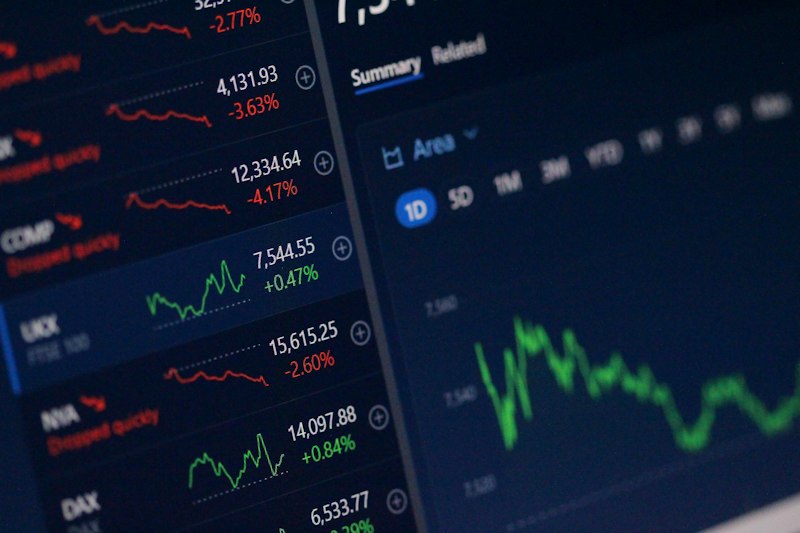
Debt-to-Income Ratio: The Number Lenders Watch Closely
Your credit score tells lenders if you pay your bills. Your debt-to-income ratio tells them if you can afford to take on more. Understanding this number helps you know how much borrowing capacity you actually have.

How Scam Gurus Make Money
Fake courses, dropshipping gurus, crypto 'experts', and fake mentorships - the business model behind financial influencer fraud.

Budgeting 101: How to Build a Budget That Actually Works
A budget is not a punishment - it's a plan. Here's how to build one that gives you control over your money without making you miserable.

FOMO Marketing and Urgency Tactics
FOMO, or the 'Fear of Missing Out,' is one of the most effective tools in a marketer's toolbox. By making products seem like temporary opportunities, brands exploit our anxiety about being left behind. Understanding this psychological trigger is the first step toward reclaiming control of your spending habits.

Insurance Explained: What You Need and What You Can Skip
Insurance protects you from financial catastrophe. But not all insurance is equal - some is essential, some is nearly worthless. Here's how to think about it.

Planning for Unexpected Costs: The Financial Curveball Playbook
Life throws financial curveballs — car breakdowns, medical bills, job loss. The difference between a minor inconvenience and a financial crisis is preparation. Here's how to build a system that absorbs the unexpected.

Choosing the Right Bank Account for You
Selecting a bank is your first step toward financial independence. This guide breaks down the differences between checking and savings accounts, helping you pick the right institution to manage your hard-earned money safely and effectively.

Minimum Payments: The Trap That Costs You Thousands
That $25 minimum payment feels manageable. But it's designed to keep you in debt for years while you pay thousands in interest. Understanding the true cost of minimum payments is the first step toward escaping the trap.

What Is Money? A Beginner's Guide
Money is something we use every day, but most of us never stop to ask: what actually is it, and why does it have value? Here's the answer.

Market Volatility: Why Prices Swing and How to Stay Calm
The stock market can swing 3% in a single day. For new investors, that's terrifying. Understanding why volatility happens — and why it's normal — helps you avoid panic selling and stay invested through the storms.

Estate Planning Basics: It's Not Just for the Rich
Estate planning sounds like something only rich people need — but everyone should have basic documents in place. A will, power of attorney, and healthcare directive protect you and your family regardless of your wealth level.

Why College Is So Expensive (And What To Do About It)
Tuition inflation, student debt, housing costs, textbook markups, and the interest that compounds while you study - the full economics of higher education.

Supply and Demand: The Force Behind Every Price
Why do concert tickets cost more when the artist is popular? Why does gas get expensive in summer? One simple concept explains it all.

Global Trade and Currency: How International Finance Affects You
Why do tariffs raise prices? Why does a strong dollar hurt exporters? Why do countries trade at all? Global economics affects your everyday life more than you think.

Profit Margins: Why Revenue Doesn't Equal Success
A business making $1 million in revenue with 2% margin earns less profit than one making $100,000 with 30% margin. Understanding profit margins helps you evaluate businesses and make smarter financial decisions.
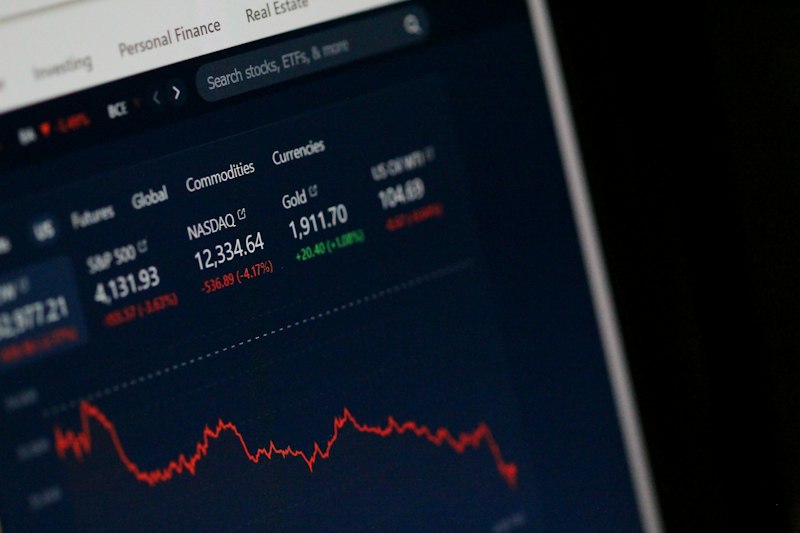
Fixed vs. Variable Expenses: Know What's Locked In
Not all expenses are created equal. Some are locked in — the same every month no matter what. Others flex with your choices. Understanding the difference is the key to knowing where you can actually cut.

The Mortgage Market in 2025: Rates, Policy, and When It Makes Sense to Buy
After the sharpest rate cycle in four decades, mortgage rates remain elevated. Here's how current Fed policy, housing legislation, and market dynamics affect the rent-vs-buy decision right now.

Student Budgets: Managing Money in College
College is often your first time managing money independently. Between tuition, textbooks, food, and social life, the costs add up fast. Here's how to build a budget that works for a student's reality.

Certificates of Deposit (CDs): Lock In Your Rate
A CD is a savings vehicle where you agree not to touch your money for a set period, and the bank guarantees a fixed interest rate. Learn when CDs make sense, when they don't, and how they fit into a savings strategy.

Building Credit from Scratch: A Teen's Guide
If you've never had a credit card or loan, you have no credit history — and no credit score. Building credit from zero can feel like a catch-22: you need credit to build credit. Here's exactly how to break the cycle.

Zero-Based Budgeting: Every Dollar Has a Job
Most budgets start with last month's spending and tweak from there. Zero-based budgeting starts from zero and forces every dollar to justify its existence. Learn why this method works, how to build one, and when it beats a traditional budget.

How to Build a Personal Brand That Actually Opens Doors
A personal brand isn't about pretending to be someone you're not. It's about making your actual expertise and perspective visible to the right people - before you need anything from them.
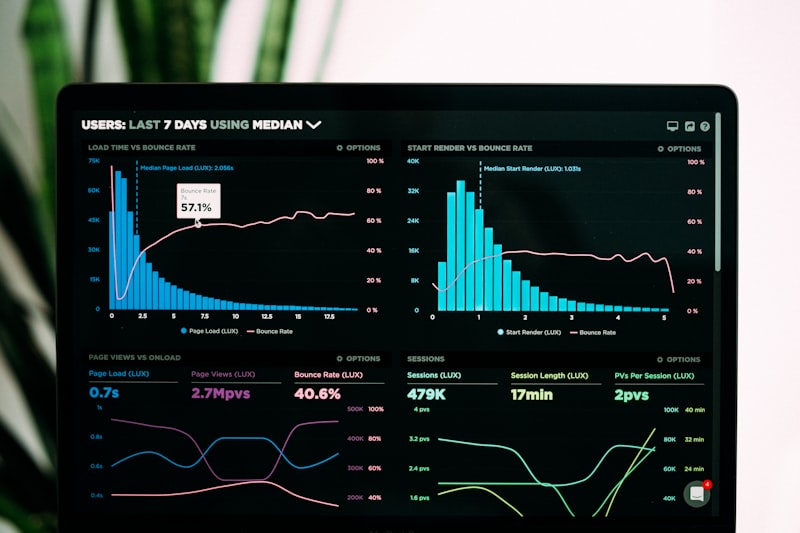
How and When to Rebalance Your Portfolio
Over time, your investment mix will drift as some assets grow faster than others. Rebalancing is the act of selling what has done well and buying what has lagged to bring your portfolio back to your original target. This is the process of forced discipline that ensures you aren't over-exposed to risk.

Understanding Your Risk Tolerance
Risk tolerance isn't just about what you say you can handle—it's about what you can handle when your account drops by 20% in a single week. This article helps you assess your psychological and financial capacity for risk so you can build a portfolio you won't panic-sell during a market downturn.

Borrowing Responsibly: A Framework for Smart Debt Decisions
Borrowing isn't inherently bad — but borrowing without a plan is. This framework helps you evaluate any potential loan: whether to borrow, how much, what terms to seek, and when to walk away.
Time Value of Money: Why a Dollar Today Is Worth More Than a Dollar Tomorrow
A dollar today is worth more than a dollar tomorrow — because today's dollar can be invested and grow. This simple principle is the foundation of all finance, from loans to investments to retirement planning.

Pricing Your Product: How to Set a Price That Works
Price too high and no one buys. Price too low and you lose money on every sale. Finding the right price is one of the hardest and most important decisions in business. Here's how to approach it.

Roth IRA vs. Traditional IRA: Which One Should You Open?
Both retirement accounts offer powerful tax advantages - but they work in opposite directions. Understanding the difference now can be worth six figures later.

Freelance Taxes: What You Owe and When
Freelancing is great until tax season hits and you realize you haven't been paying your share. Avoid the penalty traps by understanding estimated taxes, deductions, and the importance of separating your business and personal finances from day one of your self-employed journey.

What Is a Credit Union and Is It Right for You
Credit unions are member-owned alternatives to traditional big-name banks. Discover how they differ in terms of profit motives, service levels, and accessibility, and find out if joining a community-focused credit union is the smart choice for your financial future.

Loss Aversion in Advertising
Psychologists have long known that the pain of losing is twice as powerful as the joy of winning. This phenomenon, known as loss aversion, is the bedrock of modern advertising. Discover how brands phrase their ads to emphasize what you stand to lose if you don't use their product.

What Starting a Business Actually Requires
Entrepreneurship is often discussed in terms of passion and ideas. But most businesses that fail do not fail from a lack of passion. Understanding the operational and financial requirements of building something sustainable is where the real education begins.

What Is a Stock Split and Does It Matter
You might hear news about a company performing a 'stock split' and think it's a major event for the business. In reality, it's mostly a psychological event. We explain why companies split their shares, why it changes the price but not the value, and why it’s a non-event for long-term investors.

Cash Flow: The Heartbeat of Your Financial Life
Income minus expenses. It sounds simple, but cash flow is the single most important number in personal finance. Positive cash flow means you're building wealth. Negative cash flow means you're falling behind. Learn how to measure and improve yours.
Capital Gains Taxes: How Investment Profits Are Taxed
When you sell an investment for a profit, the IRS takes a share. But capital gains tax rates are often lower than income tax rates — and with smart planning, you can minimize or even eliminate the tax.

Starting a Business: The First 10 Steps
Starting a business can be one of the most rewarding financial decisions you'll ever make — but it requires more than a good idea. Here are the first 10 steps to turn an idea into a functioning business.

Credit Reports vs. Credit Scores: What's the Difference?
Your credit report is the detailed history. Your credit score is the grade. Understanding the difference — and how to read both — helps you spot errors, catch fraud, and build credit strategically.

Life Insurance: Do You Need It at Your Age?
Life insurance provides financial protection for your dependents if you die. But if you're young and single, you probably don't need it — yet. Understanding when life insurance makes sense helps you avoid paying for coverage you don't need.

Financial Goals: How to Set Them and Actually Hit Them
Most people have vague financial wishes. Very few have real financial goals. Here's the difference - and how to make sure your goals actually happen.

How Taxes Affect Your Take-Home Pay
When you earn $50,000, you don't take home $50,000. Between federal tax, state tax, FICA, and benefits, your take-home pay is significantly less. Understanding the gap helps you budget accurately and avoid surprises.

Bootstrapping vs. Investors: How to Fund Your Business
Should you fund your business yourself (bootstrapping) or take investor money? The choice affects your ownership, control, and growth speed. Understanding the trade-offs helps you make the right call.

Why Cheap Things Sometimes Cost More
Quality vs. quantity, the cost of replacing cheap products, and the long-term value calculation that changes how you should shop.

How to Read a Stock Chart (For Beginners)
Price history, volume, moving averages, support and resistance - the basic vocabulary of stock charts without the complexity of advanced technical analysis.

Portfolio Strategy: Building and Managing a Long-Term Investment Portfolio
Building wealth through investing isn't about picking stocks - it's about asset allocation, diversification, risk management, and staying disciplined over decades.

Bank Fees Explained: What You're Paying For (and How to Stop)
Banks make billions from fees that most people don't understand. Monthly maintenance fees, ATM fees, overdraft fees, foreign transaction fees — they add up. Here's what each fee is, why banks charge it, and how to avoid every one.

Auto Loans 101: How to Finance a Car Without Getting Burned
For most people, a car is the second-largest purchase after a home. The auto loan you choose can cost — or save — you thousands. Learn how auto loans work, what terms to seek, and the dealer tricks to watch for.

Building a Personal Brand for Your Career
A personal brand is not just for influencers; it is a professional reputation that lives online and follows you across industries. Learn how to curate your digital footprint, showcase your unique value proposition, and position yourself as an authority in your field to attract better opportunities.
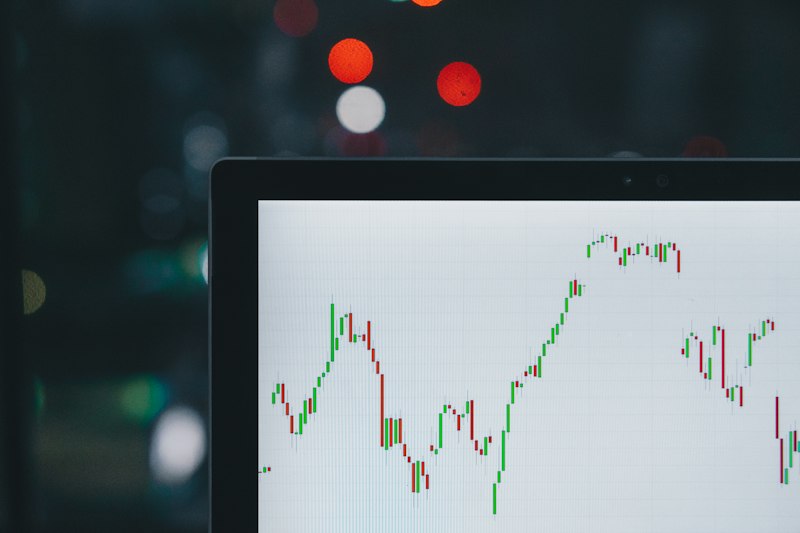
How Supply Chains Affect Prices
Ever wondered why the price of your favorite gadget or even your groceries can suddenly jump? The answer often lies in the complex journey of goods from creation to your hands – the supply chain. We'll explore how disruptions and efficiencies within this system directly impact the prices you pay every day.

Good Debt vs. Bad Debt: Not All Borrowing Is Created Equal
Some debt can build wealth. Other debt destroys it. The difference isn't the lender or the interest rate — it's what the debt buys. Learning to distinguish good debt from bad debt is one of the most important financial skills you can develop.

Retirement Accounts Explained: 401(k), IRA, and Roth IRA
Tax-advantaged retirement accounts are one of the most powerful wealth-building tools available. Here's how each one works and which to prioritize.
What Causes Recessions?
Recessions can feel scary, with job losses and economic uncertainty. But what actually triggers these downturns? Understanding the common causes, from sudden shocks to gradual imbalances, can help you navigate economic slowdowns and be better prepared for whatever the business cycle throws your way.

The Subscription Trap
Spotify, Netflix, Discord Nitro, gaming subscriptions, and the forgotten charges that silently drain your bank account every month.

How to Read a Pay Stub: Decoding Your Earnings
Ever wondered what all those numbers and abbreviations on your pay stub mean? This article breaks down every section, from your gross earnings to deductions and net pay, empowering you to understand exactly where your money comes from and where it goes. Learn to confidently track your income and verify your wages.

Identity Theft: How to Protect Your Financial Life
Identity theft affects millions of Americans each year, costing billions. A stolen identity can ruin your credit, drain your accounts, and take years to recover from. Here's how to protect yourself and what to do if it happens.
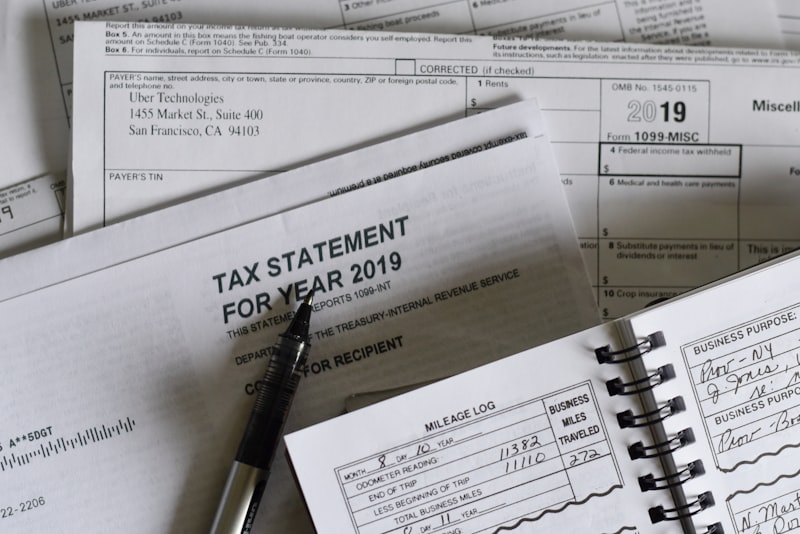
Understanding 1099s: Freelance and Investment Income Forms
If you've ever done freelance work, earned interest, or sold investments, you've received a 1099 form. These forms report income that isn't from a traditional employer — and understanding them ensures you file correctly.

The 401(k) Explained: Your Employer's Retirement Gift
A 401(k) is the most common retirement account in America — and if your employer offers one, it might be the best deal in personal finance. Learn how it works, why it's valuable, and how to maximize it.

Social Proof: Why Reviews Sell Products
Ever wonder why you check the star rating on Amazon or browse Instagram comments before buying something? You are relying on social proof, a powerful psychological phenomenon that suggests that if others are doing it, it must be the right thing to do. Here is how companies turn your friends and strangers into their best salespeople.

Investment Fees: The Silent Wealth Killer
A 1% annual fee sounds tiny. Over 40 years, it can eat $200,000+ from your retirement savings. Investment fees are the most overlooked cost in personal finance — and the easiest to eliminate.

Understanding Your First Paycheck - What All Those Deductions Actually Mean
Getting your first paycheck is exciting — until you see how much was taken out. Here's a plain-language breakdown of every deduction on a pay stub, what each one funds, and which ones you can control.

Payroll Taxes: FICA, Medicare, and Social Security Explained
Look at your paycheck and you'll see deductions beyond income tax. FICA, Medicare, Social Security — these payroll taxes fund critical programs. Understanding them helps you know exactly where your money goes.

Moving Out for the First Time: A Financial Survival Guide
Moving out is exciting — and expensive. Between deposits, furniture, and the shock of paying all your own bills, the first month can cost thousands. Here's how to prepare financially for the big move.

The 50/30/20 Budget Rule: A Simple System
Budgeting doesn't have to be complicated. The 50/30/20 rule is a popular, effective framework that helps you balance your needs, wants, and savings automatically, providing you with a clear roadmap for your money throughout the month.

Risk vs. Return: The Fundamental Trade-Off in Investing
Every investment decision comes down to one trade-off: how much risk are you willing to take for a chance at higher returns? Understanding this relationship is the foundation of all investing.

Diversification: Don't Put All Your Eggs in One Basket
If your entire portfolio is one stock and that company fails, you lose everything. Diversification spreads your risk across many investments so no single failure can wipe you out. It's the most important risk management strategy in investing.

Bonds Explained: The Other Half of the Investment Universe
Stocks dominate conversation about investing, but bonds represent roughly half of global financial markets by value. Understanding how bonds work - and the inverse relationship between prices and yields - is foundational to understanding financial news and portfolio construction.

The Psychology of Rich vs. Poor Mindsets
Not motivational fluff - actual behavioral differences in how wealthy and financially struggling people think about risk, time, and money.

What Happens If You Never Build Credit?
No credit score affects apartments, car loans, employment, and insurance rates. Here's the real cost of starting your financial life with no credit history.

Building Wealth Through Your Career
Your income is your most powerful financial tool. Here's how to grow it strategically, protect it with smart benefits, and turn your career into a wealth-building engine.

Capital Gains: How Investments Make Money (and How They're Taxed)
When you buy a stock for $100 and sell it for $150, that $50 profit is a capital gain. Understanding how capital gains work — and how they're taxed — helps you keep more of your investment returns.

Understanding Your W-2 Form at Tax Time
Seeing a W-2 form for the first time can be intimidating. This breakdown explains exactly what the boxes mean, how to read the codes, and how this document dictates whether you owe taxes or get a refund come April.

Business Careers You Might Not Know Exist
Business isn't just accounting and finance. Here are interesting career paths you might never have considered.

The Gig Economy: Risks and Rewards
The gig economy offers unparalleled flexibility but shifts the burden of taxes, insurance, and retirement planning entirely onto you. This article breaks down the financial reality of being your own boss and whether the independence is worth the lack of traditional employment stability.

The 4% Rule for Retirement Withdrawals
How much money do you need to retire? The '4% Rule' has long been the gold standard for answering this question. It suggests that if you withdraw 4% of your total portfolio in your first year of retirement and adjust for inflation thereafter, you are statistically unlikely to run out of money.

How to Negotiate a Raise at Your Current Job
Asking for more money is intimidating, but it is a critical skill for maximizing your lifetime earnings. This guide explores how to build a data-backed case for your worth, choose the right time to approach your manager, and handle negotiations professionally to secure the salary you deserve.

Retirement Contribution Limits: What You Need to Know
The IRS sets annual limits on how much you can contribute to retirement accounts. These limits increase over time, and they differ by account type and age. Knowing them helps you maximize tax-advantaged savings.

Needs vs. Wants: The Foundation of Every Financial Decision
Every financial decision — from buying coffee to choosing a college — comes down to one question: is this a need or a want? Learning to tell the difference is the single most important skill in personal finance.

Direct Deposit and ACH Transfers: How Money Moves
Every payday, money appears in your account. Every bill payment, money disappears. Behind the scenes, a system called ACH makes it all work. Understanding how money moves helps you avoid delays, fees, and confusion.

Common Investing Mistakes Beginners Make (and How to Avoid Them)
Investing is simple but not easy. The most common mistakes — panic selling, chasing trends, trying to time the market — cost beginners thousands. Here are the errors to avoid and what to do instead.

The Business Cycle: Boom, Bust, and Recovery
Economies don't grow in a straight line; they move in cycles. Understanding the phases of the business cycle—from expansion and peak to contraction and trough—can help demystify economic fluctuations. We'll explore what each stage means for jobs, prices, and your financial decisions.

How Billionaires Borrow Instead of Sell
The 'buy, borrow, die' strategy that lets the ultra-wealthy live off loans instead of income - and why it's technically legal.
What Is a P/E Ratio and Why It Matters
When shopping for stocks, how do you know if you are getting a deal or overpaying? The Price-to-Earnings (P/E) ratio is a fundamental tool that helps investors gauge the value of a company relative to its actual profit. We'll explore what this number tells you about market expectations and company health.

Supply and Demand: The Engine of Every Market
Supply and demand is the most fundamental concept in economics. Once you understand it, you'll see it operating everywhere - from gas prices to job salaries to housing costs.

How Free Shipping Changes Buying Behavior
Free shipping is rarely free; it is baked into the price of your item. However, the psychological perception of 'free' is so strong that it often overrides our sense of cost. Let's explore how companies use shipping costs to influence the size and frequency of your online orders.

How to Switch Careers Successfully
Switching careers is one of the most stressful professional moves you can make, but it is often necessary for long-term satisfaction. Learn how to map your transferable skills, fill knowledge gaps, and tell a compelling story that convinces employers you are ready for a new path.

Asset Allocation: Building a Portfolio That Matches Your Goals
Asset allocation — how you divide money between stocks, bonds, and cash — determines 90% of your investment returns. It's not about picking the best stock; it's about finding the right mix for your age, goals, and risk tolerance.

The Psychology of Buy One Get One Offers
BOGO offers seem like the ultimate win-win, but they are carefully engineered to get you to spend more money than you originally planned. By understanding the math of these deals, you can determine if you are actually saving money or if you have just been successfully upsold.

Financial Stress: How to Manage Money Anxiety
Money is the #1 source of stress for most people. Financial anxiety can affect your sleep, relationships, and health. The good news: financial stress has a cure — and it's not just having more money. It's having a plan.

The Roth IRA: Why Starting at 16 Could Make You a Millionaire
A Roth IRA is one of the most powerful financial tools available to young people — and most teenagers have never heard of it. Here's what it is, why it's uniquely valuable when you're young, and exactly how to open one.

Social Pressure and Money: How to Resist Keeping Up with Everyone
Your friend got a new car. Your classmate has the latest phone. Your coworker takes luxury vacations. The pressure to keep up is real — and it's one of the biggest threats to your financial future. Here's how to resist it.

How Credit Cards Actually Work: The Full Cycle Explained
You swipe, you walk out with your purchase, and a bill comes later. But what happens in between? Understanding the full credit card cycle — from transaction to statement to payment — reveals why carrying a balance is so expensive.

Delayed Gratification: The Superpower of Wealthy People
The ability to wait for a bigger reward instead of taking a smaller one now is the single best predictor of financial success. Here's why delayed gratification matters and how to develop it.

Why Businesses Fail: Lessons from Startup Graveyards
About 20% of businesses fail in their first year, and 50% fail within five. The reasons are remarkably consistent. Understanding why businesses fail helps you avoid the same fate — whether you're starting one or just learning how they work.

Gross Domestic Product (GDP) Explained
You hear about GDP all the time – it's a key measure of a country's economic health. But what exactly is it? This article breaks down Gross Domestic Product into simple terms, explaining what it measures, why it's important, and how it reflects the overall performance of an economy.

How to Evaluate a Job Offer: Beyond the Base Salary
A higher salary doesn't always mean a better offer. Learn how to read compensation packages, benefits, equity, and growth potential before saying yes.

Financial Ratios: The Numbers That Measure Your Financial Health
Doctors use blood pressure and cholesterol to measure health. In finance, ratios do the same thing. Understanding your financial ratios helps you diagnose problems and track progress toward financial fitness.
The 10 Most Common Money Management Mistakes (and How to Avoid Them)
Most financial problems aren't caused by bad luck — they're caused by common, avoidable mistakes. Here are the ten most frequent money management errors and exactly how to sidestep each one.

The SECURE 2.0 Act: What the 2022 Retirement Law Means for You in 2025
The SECURE 2.0 Act overhauled retirement savings rules with changes phasing in through 2025 and beyond. Here's what's new - from higher catch-up limits to employer matching on student loans.

The 2008 Financial Crisis: What Happened and What It Taught Us
The 2008 financial crisis destroyed approximately $11 trillion in household wealth and cost 8.7 million Americans their jobs. Understanding how it unfolded reveals how financial systems fail - and what to look for before the next one.

Real vs. Nominal Returns: Are Your Investments Actually Growing?
If your investment earns 7% but inflation is 3%, your real return is only 4%. Understanding the difference between nominal and real returns is essential for knowing whether you're actually getting wealthier.

Side Hustle Income Ideas That Actually Work
Not all side hustles are created equal. Some require high startup costs and offer low returns. This article focuses on high-leverage side hustles that utilize your existing skills to generate recurring income, helping you build financial safety while keeping your main career goals on track.

Overtime Pay: How It Works and When You Qualify
Overtime pay can boost your income significantly — but not everyone qualifies. Understanding the rules, rates, and exemptions helps you know your rights and maximize your earnings.

Why Your Brain Wants You to Spend Money
Dopamine, impulse buying, social media, and emotional spending - the neuroscience behind why saving feels hard and shopping feels good.

What Is a 401(k) and Why It Matters More Than You Think
A 401(k) is an employer-sponsored retirement account that offers one of the most straightforward tax advantages available to working Americans. The employer match alone makes it the highest guaranteed return most people will ever find.

Creating Your Personal Financial Plan: A Step-by-Step Guide
A financial plan isn't a 50-page document — it's a simple framework that tells you where you are, where you're going, and how to get there. Here's how to build one in an afternoon.

The Hidden Cost of Car Ownership: What Dealerships Don't Tell You
The sticker price is just the beginning. Between insurance, maintenance, fuel, depreciation, and loan interest, the true cost of owning a car can exceed $10,000 per year. Here's how to actually budget for a vehicle.

Quantitative Easing Explained for Beginners
You've likely heard the term 'Quantitative Easing' or 'QE' thrown around, especially during economic downturns. But what exactly is it, and how does it work? This article breaks down this unconventional monetary policy tool in simple terms, explaining its purpose and potential impact on the economy and your finances.

Opportunity Cost: Every Financial Decision Has a Hidden Price
When you spend $1,000 on a vacation, the cost isn't $1,000 — it's also what that $1,000 could have earned if invested. Understanding opportunity cost transforms how you think about every financial decision.

How the Federal Reserve Controls the Economy
One institution sets interest rates for the entire US economy. Here's how the Federal Reserve works, what tools it uses, and why every investor needs to understand it.

The Decoy Effect in Pricing Strategy
Have you ever noticed that a medium popcorn is only fifty cents cheaper than the large, making the large seem like a much better value? This is the decoy effect, a classic marketing trick designed to steer you toward a more expensive choice by offering a less attractive middle ground.

The Economics of Brand Loyalty
Why do people stick to the same sneaker brand for decades even when other options are cheaper and just as durable? Brand loyalty is an economic powerhouse that reduces consumer effort and increases company profit margins. Let's look at the cycle of value, habit, and identity that keeps you coming back.

The Real Cost of a Credit Card (If You Carry a Balance)
APR, minimum payments, and the compound interest working against you - how a $500 balance becomes $1,200, and what to do about it.

The Business Behind Sneaker Reselling
Supply and demand, scarcity, resale markets, and hype economics - how a $120 shoe becomes a $500 commodity and what it teaches about markets.

How Interest Rates Shape Your Everyday Life
Interest rates are set in Washington and Frankfurt, but their effects land in your mortgage payment, credit card bill, and savings account. Here's how the machinery works - and why it matters to you personally.

Checking Accounts 101: Your Money's Command Center
A checking account is where your money lives day to day — the hub for paychecks, bills, and daily spending. Understanding how it works, what features matter, and how to choose the right one sets the foundation for everything else in personal finance.

Renters Insurance: Why $15/Month Could Save You Thousands
Your landlord's insurance covers the building — not your stuff. If your apartment is burglarized, flooded, or burned, everything you own could be gone. Renters insurance protects your belongings for about $15/month.

Gross vs. Net Income: What You Earn vs. What You Keep
Your salary says $50,000, but you only see $38,000. That gap — between gross and net income — is the result of taxes, deductions, and benefits. Understanding it is the first step in realistic financial planning.

Auto Insurance Explained: What Every Driver Needs to Know
Auto insurance isn't optional — it's legally required in most states. But what does each type of coverage actually protect? Understanding your policy helps you avoid overpaying while staying properly protected.

Sinking Funds: How to Save for Big Purchases Without Stress
An emergency fund covers the unexpected. A sinking fund covers the expected-but-infrequent: car repairs, holidays, annual insurance premiums. Learn how to break large expenses into manageable monthly chunks.

Startup Costs: What It Actually Takes to Launch
Before you start a business, you need to know how much it will cost. Underestimating startup costs is one of the top reasons new businesses fail. Here's how to calculate what you actually need.

Student Loan Policy in 2025: What Borrowers Actually Need to Know
Federal student loan policy has shifted significantly across administrations. Here's a plain-language summary of where things stand now - repayment plans, forgiveness prospects, and what borrowers should do.

Marginal vs. Effective Tax Rates: Why Your Tax Rate Isn't What You Think
When someone says 'I'm in the 22% tax bracket,' they're talking about their marginal rate. But their effective rate — what they actually pay — is much lower. Understanding both numbers helps you make smarter financial decisions.

Market Corrections vs Crashes: What Is the Difference
The stock market is constantly moving, but sometimes it takes a nosedive. Understanding the difference between a dip, a correction, and a crash is vital for keeping your cool. This article defines these terms and explains why they are a normal, healthy part of a functioning financial system.

Education Costs vs. Earning Potential: Is College Worth It?
College can cost $100,000+ and take four years. Is it worth it? The answer depends on your field, your school choice, and how you finance it. Here's how to evaluate the return on investment of education.

Dollar-Cost Averaging: Why Timing the Market Fails
Trying to guess when the stock market will hit its lowest point is a game that even professional investors rarely win. Dollar-cost averaging (DCA) is a disciplined strategy that removes the emotion from trading by investing a fixed amount of money at regular intervals, regardless of whether the market is up or down.

Automatic Saving: Set It and Forget It
The most effective saving strategy isn't willpower — it's automation. When you automate savings, the money disappears before you can spend it, and your wealth grows without you thinking about it.
How to Evaluate Financial Products: Don't Get Sold, Get Educated
Banks, insurance agents, and financial advisors all want to sell you products. Some are genuinely helpful; others are expensive traps. Here's how to evaluate any financial product and decide whether it's right for you.

The Hidden Economics of Social Media Platforms
If the product is free, you are the product - how social media companies monetize your attention, data, and behavior.

The Psychology of Spending: Why We Buy What We Don't Need
Most overspending isn't about greed or carelessness. It's about how the human brain is wired. Understanding the cognitive patterns behind spending is the first step to changing them.

Home Buying 101: Everything First-Time Buyers Need to Know
Buying a home is the largest financial transaction most people ever make. Here's a step-by-step guide to understanding the process, costs, and decisions involved.

Why Lottery Winners Go Broke
70% of lottery winners go bankrupt within 5 years. The reasons reveal everything about money, psychology, and why financial literacy matters more than windfalls.

How Inflation Quietly Erodes Your Savings
Think your money is safe in a savings account? Inflation is like a silent thief, slowly decreasing the purchasing power of your hard-earned cash over time. We'll break down how this economic phenomenon impacts your savings and what you can do to protect your financial future from its insidious effects.

How to Build an Emergency Fund from Scratch
Life is unpredictable, but your finances don't have to be. Learn the step-by-step process of building an emergency fund, why you need one, and how to stay consistent even when your income is tight or your budget is limited.

How Much Your Favorite Influencers Actually Make
Sponsorships, affiliate links, merch, ad revenue, and the creator economy explained - the real numbers behind influencer income.

The Phillips Curve: Inflation vs Unemployment
Is there a trade-off between keeping prices low and keeping everyone employed? The Phillips Curve suggests there might be. This article explains this economic concept, exploring the historical relationship between inflation and unemployment and why it's not always a straightforward connection in the modern economy.

Health Insurance 101: Premiums, Deductibles, and Copays Explained
Health insurance has its own language — premiums, deductibles, copays, coinsurance, out-of-pocket maximums. Understanding these terms helps you choose the right plan and avoid surprise medical bills.

Revenue, Expenses, and Profit: The Three Numbers Every Entrepreneur Must Know
Revenue is exciting. Expenses are necessary. Profit is what matters. Understanding the relationship between these three numbers is the difference between a business that thrives and one that fails.

What Marketing Really Is (And Why It's Everywhere)
Marketing isn't just ads on TV. It's the reason you chose your phone, your clothes, and maybe even your college. Here's how it works.

Lifestyle Inflation: Why Making More Doesn't Mean Having More
You get a raise. You feel richer. So you upgrade your apartment, buy a nicer car, eat out more. Six months later, you feel just as broke as before. That's lifestyle inflation — and it's the silent killer of wealth building.

Salary vs. Hourly Pay: Which Is Better?
Salary sounds more prestigious, but hourly pay has hidden advantages. The 'right' choice depends on overtime, benefits, work-life balance, and how much control you want over your schedule.

Interest Rates Explained: APR, APY, and How They Affect You
Interest rates appear everywhere in personal finance - loans, savings, mortgages, credit cards. Here's what they actually mean and how to use them to your advantage.

Understanding Overdraft Fees and How to Avoid Them
Overdraft fees can quickly drain your account balance and create a cycle of debt. We explain how these fees occur, the legal landscape of overdraft protection, and practical strategies to ensure you never pay a penalty for spending more than you have.

How Tariffs Affect Everyday Prices
You might have heard about tariffs in the news, but how do these taxes on imported goods actually impact the prices of the items you buy? This article explains the mechanics of tariffs and traces their ripple effects from international trade all the way to your shopping cart.

Options and Derivatives: A Beginner's Guide
Options are powerful financial instruments that most retail investors misuse - and lose money on. Here's what they are, how they work, and what you need to know before trading them.

Why Fast Food Feels Cheap But Isn't
Eating out every day versus cooking at home - a full financial comparison that might change how you think about convenience spending.

How Banks Actually Make Money
Banks offer 'free' checking, pay you interest, and still make billions. How? The answer reveals how the entire banking system works — and why understanding it makes you a smarter consumer.

How Brands Use Scarcity to Drive Sales
Ever noticed a timer ticking down on a website or a message saying only three items are left in stock? This is the power of scarcity, a psychological trigger that makes us want things more simply because they might disappear. Understanding how this tactic works can help you make better, more intentional financial decisions.
Dividend Investing 101: Getting Paid to Own Stocks
Dividend investing is a strategy where you purchase shares in companies that distribute a portion of their profits to shareholders regularly. This guide breaks down how to identify reliable dividend payers, why reinvesting those payouts is the secret to long-term wealth, and how this passive income stream can accelerate your financial journey toward independence.

Tax Brackets Explained: How Progressive Taxation Works
The US uses a progressive tax system — the more you earn, the higher your tax rate. But it's not as simple as 'one rate on everything.' Understanding brackets is essential to knowing what you actually owe.

Networking for Introverts: A Practical Guide
Networking does not require being the loudest person in the room. For introverts, the best approach is high-quality, one-on-one connection. This guide teaches you how to leverage your listening skills to build meaningful relationships that actually open career doors, without the burnout of traditional 'networking' events.

The Hidden Cost of Being Trendy
Fast fashion, sneaker hype, phone upgrades, and keeping up with friends - the real price of following trends, broken down.

Taxes 101: Understanding How the US Tax System Works
Most people dread taxes but don't actually understand them. That ignorance is expensive. Here's how the US tax system works - and how to legally pay less.

Index Funds vs. Stock Picking: Why 90% of Pros Can't Beat the Market
Warren Buffett bet $1 million that index funds would beat hedge funds over 10 years. He won. Here's why passive investing works.

How Gaming Companies Get You to Spend More
Skins, battle passes, loot boxes, limited-time cosmetics, and FOMO marketing - the psychology behind the $250 billion gaming monetization industry.

Business Models Explained: How Companies Actually Make Money
Some companies sell products. Others sell access, subscriptions, or advertising. Understanding the different business models helps you understand how companies make money — and which model might work for your own business.

Student Loans: Everything You Need to Know
Student loans are the largest financial decision most young people make - often without understanding the terms. Here's what you need to know before and after borrowing.

The Economics of Concert Tickets
Dynamic pricing, ticket bots, the resale market, and Ticketmaster's monopoly - why getting good seats to your favorite artist costs more than ever.

Roth 401(k) vs. Traditional 401(k): Which Should You Choose?
Your employer may offer both a traditional and Roth 401(k). The difference comes down to when you pay taxes — now or in retirement. The right choice depends on your current and future tax bracket.

The Psychology of Financial Decision-Making
Every financial decision is made by a human brain - an organ that evolved for short-term threats, not decades-long investment horizons. Understanding the predictable biases that distort financial choices is the first step toward making better ones.

How Algorithms Make You Spend More
TikTok Shop, Amazon recommendations, targeted ads, and 'limited stock' tricks - the online psychology engineered to empty your wallet.

Understanding Job Benefits Beyond Salary
Salary is only one part of your compensation. From 401(k) matches to flexible remote work policies and student loan repayment assistance, the 'hidden' benefits can add tens of thousands of dollars to your total worth. Learn how to weigh these extras when comparing job offers.

Influencer Marketing: Who Actually Pays
Influencers make millions of dollars, but rarely from their own pockets. Understanding the business model of influencer marketing helps you realize that when an influencer recommends a product, it is almost always a paid commercial transaction. Here is what goes on behind the scenes of those 'authentic' posts.

The Simple Case for Index Funds
Actively managed funds employ teams of analysts, charge higher fees, and still underperform simple index funds most of the time. Here is why - and what it means for how you should invest.

Credit Utilization: The Ratio That Can Make or Break Your Score
After payment history, credit utilization is the most important factor in your credit score. It's also the easiest to control. Understanding this single ratio can boost your score by 50-100 points — sometimes overnight.

Your First Credit Card: What to Know Before You Swipe
Getting your first credit card is a financial milestone — and a potential trap. Used wisely, it builds credit and earns rewards. Used poorly, it creates debt that follows you for years. Here's how to start right.

Big Financial Decisions: Renting vs. Buying, Cars, and More
The biggest financial decisions in life - whether to rent or buy, how to handle a car, what to do with a windfall - deserve careful thought. Here's a framework.

What Is Net Worth and How to Calculate It
Net worth is the most accurate measure of your financial health. Move beyond simple income tracking and learn how to calculate your net worth, track your progress over time, and why this number matters more than the balance in your checking account.

Tax Deductions vs. Tax Credits: What's the Difference?
Deductions and credits both reduce your tax bill — but they work very differently. A $1,000 deduction might save you $220, while a $1,000 credit saves you $1,000. Knowing the difference helps you maximize your savings.

How Sports Contracts Actually Work
Signing bonuses, endorsements, taxes, guaranteed vs. non-guaranteed money, and salary caps - the full financial picture of professional sports contracts.

Why Deflation Is More Dangerous Than Inflation
We often hear about the dangers of inflation, but what about its opposite, deflation? This article explores why falling prices, while seemingly good, can actually be far more damaging to an economy. Learn how deflation can lead to a vicious cycle of decreased spending, rising debt burdens, and economic stagnation.

Protecting Your Financial Information Online
Your financial life is increasingly digital — banking, investing, shopping, and more. Every account is a potential target. Here's how to build a digital defense that protects your money without making your life harder.

Understanding Equity Compensation: RSUs and Options
Companies often offer stock-based compensation to align your success with theirs. Understanding these complex packages is essential for evaluating total compensation, as they can turn into significant wealth over time or end up worth zero depending on the company's trajectory and your tenure.

Stock Market Basics: What Actually Happens When You Buy a Share
Buying a stock sounds simple, but what does it actually mean to own a share of a company? This article explains the mechanics of stock markets, why prices move, and what beginners need to understand before investing.

Resumes for High School and College Students
When you have little to no professional experience, your resume needs to shine based on your potential, projects, and character. This guide explains how to format your background for your first real job search using academic achievements, extracurriculars, and volunteer work as powerful, professional markers.
Keep going
Put this into practice
Reading is the start. These tools let you apply what you just learned.