Back to Articles
Everyday Money 6 min readBeginner Jul 20, 2026

Understanding Overdraft Fees and How to Avoid Them

Overdraft fees can quickly drain your account balance and create a cycle of debt. We explain how these fees occur, the legal landscape of overdraft protection, and practical strategies to ensure you never pay a penalty for spending more than you have.

F4E

Finance4Everyone Team

Editorial Team

Understanding Overdraft Fees and How to Avoid Them

Key Takeaways

  • 1Overdraft fees are expensive and often avoidable; you must affirmatively opt in to debit card overdraft coverage, as the default status is that you are not enrolled [6], [9].
  • 2Because federal caps on these fees were repealed in 2025, monitoring your balance daily via mobile apps is the most effective way to avoid unexpected costs [4], [7].

What is an Overdraft?

An overdraft occurs when you attempt to spend more money than is currently available in your checking account. When this happens, the bank can either decline the transaction or pay it on your behalf—but charge you a fee for the service. As of 2025, the average U.S. bank overdraft fee is $26.77 [4]. Because many debit card overdrafts are for small amounts, these fees can turn a $5 coffee into a significantly more expensive transaction.

Opting Out of Overdraft Protection

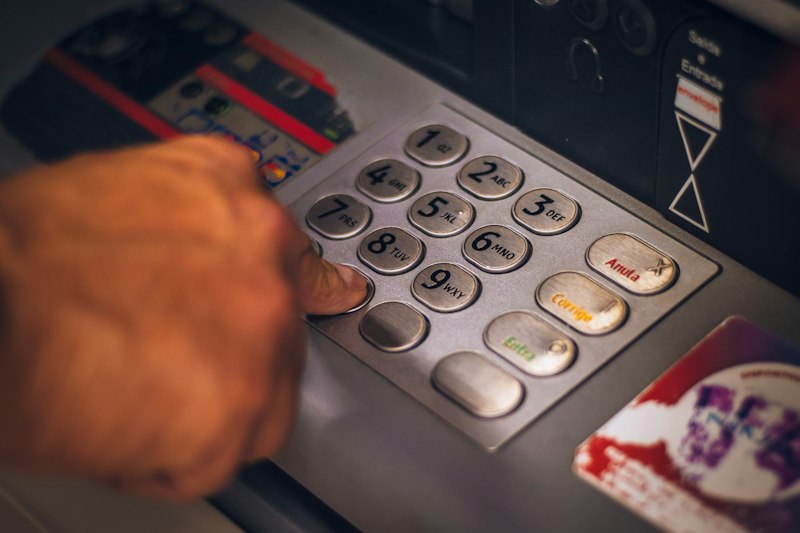
Banks often market "Overdraft Protection" as a service, but it functions as a high-interest loan. Under federal law, specifically the Electronic Fund Transfer Act (EFTA) and Regulation E, financial institutions are prohibited from charging fees for overdrafts on ATM and one-time debit card transactions unless you have provided affirmative consent to enroll in these services [5], [9]. If you do not opt in, the bank will simply decline your card at the register if you do not have enough money, which prevents the fee [6], [8].

How to Avoid Fees

  1. Buffer Account: Keep a $50 to $100 buffer in your account at all times to account for pending transactions or unexpected costs.
  2. Low-Balance Alerts: Set up text or email alerts through your bank's app that notify you when your balance drops below a specific amount.
  3. Link Accounts: Many banks allow you to link your checking account to a savings account, pulling funds automatically if your balance hits zero to cover the transaction.

| Action | Result | | :--- | :--- | | Overdraft | Fee incurred | | Declined Transaction | No fee [8] | | Linked Savings | Automatic coverage |

Source: Finance4Everyone summary of banking practices.

What to Do If You Get Hit

If you accidentally trigger an overdraft fee, call your bank immediately. Especially if you are a loyal customer with a good history, many banks will waive the first offense or two if you simply ask. Note that following the repeal of the CFPB’s 2024 overdraft rule by Congress in 2025, banks are not currently subject to federal caps on these fees, making it more important than ever to monitor your account activity [2], [7]. If you are looking to build better habits, try our Budget Simulator to practice tracking your spending and maintaining a buffer.


Try It: Savings Goal Simulator

Set a savings goal and see how long it takes to reach it — and how interest helps you get there faster.

$$5,000
$$200/mo
4%

High-yield savings accounts typically offer 3-5% APY.

Time to Goal

2 yr 1 mo

You Contribute

$5,000

Interest Earned

$205.206

Takeaway: Even a small interest rate compounds over time. Saving $200/mo at 4% APY gets you to $5,000 in 2 yr 1 mo — with $205.206 of that coming from interest alone.

Educational example only — actual returns vary. APY = Annual Percentage Yield.

Learning Guide

AI-generated
  • 1
    Define what an overdraft is and how the bank decides to charge a fee.
  • 2
    Explain the role of Regulation E in protecting consumers from unauthorized overdraft services.
  • 3
    Identify at least three practical methods to prevent accidental account overdrafts.
  • 4
    Understand the process for negotiating with a bank to waive a penalty fee.
  • Overdraft fees turn small, everyday purchases into expensive financial burdens.
  • You have a legal right to opt out of overdraft protection for debit card and ATM transactions.
  • Maintaining a small cash buffer in your account is the best defense against unexpected fees.
  • Banks are often willing to waive one-time fees if you contact them politely and promptly.
  • Automated alerts are essential tools for real-time awareness of your account balance.

Real-World Example

Maya noticed her checking account balance was $12, so she bought lunch for $15, assuming the card would just be declined. Because she had opted into overdraft coverage, the bank approved the purchase but charged her a $26 fee, turning her $15 lunch into a $41 expense.

⚠️ Common Mistakes to Avoid

  • ✗Assuming that 'Overdraft Protection' is a free service intended to help the customer.
  • ✗Failing to account for pending transactions or subscription auto-renewals in the checking balance.
  • ✗Assuming a card will be declined at the register instead of opting out of overdraft services, leading to surprise fees.
🧠

Test Your Knowledge

Take a quick 3-question quiz on this article. Get a perfect score and earn +15 XP!