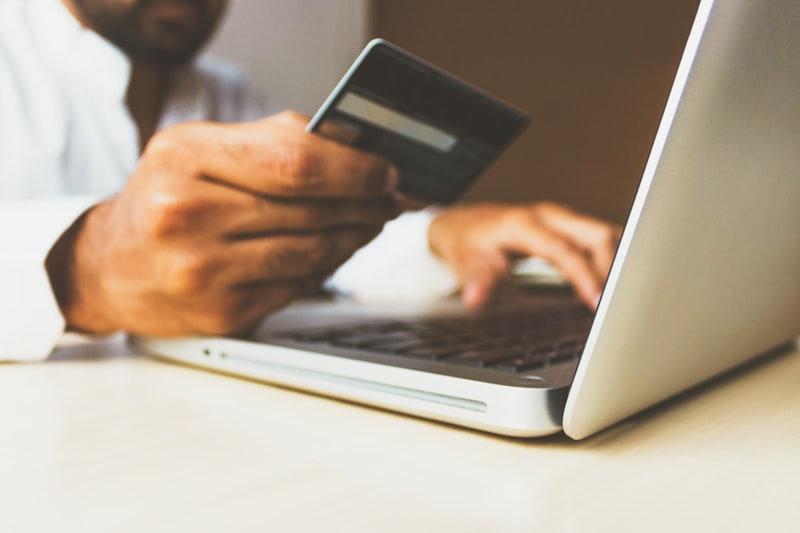
Protecting Your Financial Information Online
Your financial information exists in dozens of places: bank apps, investment accounts, shopping sites, payment apps, and more. Each one is a potential entry point for thieves.
Layer 1: Strong Passwords
| Practice | Why It Matters | | :--- | :--- | | Unique password for every account | If one is breached, others stay safe | | At least 12 characters | Longer = harder to crack | | Mix of letters, numbers, symbols | Complexity increases difficulty | | Use a password manager | Generates and stores strong passwords |
Reusing passwords is the #1 password mistake. If a site you use is breached, thieves try that password on every other site. Unique passwords stop this "credential stuffing" attack.
Layer 2: Two-Factor Authentication (2FA)
2FA requires a second form of verification beyond your password.
| Method | Security Level | How It Works | | :--- | :--- | :--- | | SMS text code | Medium | Code sent to your phone | | Email code | Medium | Code sent to your email | | Authenticator app | High | App generates time-based codes | | Security key | Very High | Physical device (USB or NFC) |
Enable 2FA on every financial account. It's the single most effective security step after strong passwords. Even if someone has your password, they can't access your account without the second factor.
Layer 3: Account Monitoring
| Practice | How Often | | :--- | :--- | | Review bank and credit card statements | Weekly | | Set up transaction alerts | Every transaction | | Review credit report | Annually (free at AnnualCreditReport.com) | | Check investment accounts | Monthly |
Transaction alerts are your early warning system. Set them for every transaction so you know within seconds if someone uses your card.
Layer 4: Secure Your Devices
| Practice | Why It Matters | | :--- | :--- | | Lock your phone with PIN/biometrics | Prevents access if phone is lost or stolen | | Keep software updated | Updates patch security vulnerabilities | | Don't root or jailbreak your phone | Removes built-in security protections | | Use reputable antivirus | Protects against malware | | Don't install apps from unknown sources | Malware often disguises itself as apps |
Layer 5: Safe Browsing Habits
| Practice | Why It Matters | | :--- | :--- | | Check for HTTPS (lock icon) | Encrypts data between you and the website | | Don't use public Wi-Fi for financial accounts | Others on the network can intercept data | | Use a VPN on public networks | Encrypts your internet traffic | | Don't click links in emails | Go directly to the website instead | | Be wary of pop-ups | Don't enter personal information in pop-ups |
Layer 6: Credit Protection
| Practice | How It Protects You | | :--- | :--- | | Credit freeze | Prevents new accounts from being opened in your name [1] | | Fraud alert | Requires lenders to verify identity before extending credit [7] | | Credit monitoring | Alerts you to changes in your credit report [7] |
What to Do If Your Information Is Compromised
| Situation | Immediate Action | | :--- | :--- | | Credit card number stolen | Report to card issuer; get a new card | | Bank account compromised | Contact bank; close and reopen account | | Password breached | Change password everywhere you used it | | SSN compromised | Freeze credit; file report at IdentityTheft.gov [2] | | Full identity stolen | Report to FTC at IdentityTheft.gov [2] |
If you are worried about your digital footprint, try our Credit Scenario to test your knowledge on how to handle potential security breaches.
Key Takeaway
Building your digital defense in layers—such as using 2FA and freezing your credit—is the most effective way to protect your identity. A credit freeze is free, does not affect your credit score, and prevents unauthorized parties from opening new accounts in your name [6].