How the Federal Reserve Controls the Economy
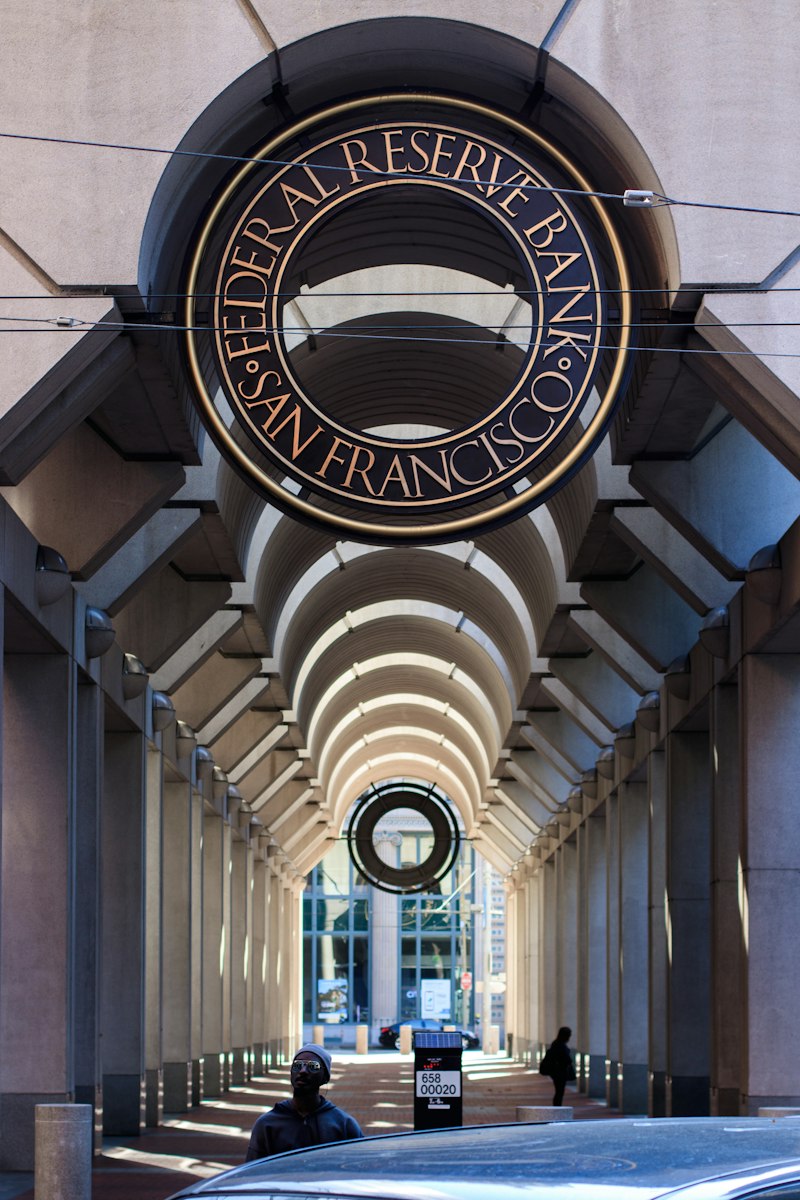
The Federal Reserve (the Fed) is the central bank of the United States, responsible for providing the nation with a safe, flexible, and stable monetary and financial system [2]. Its decisions influence interest rates on mortgages, savings account yields, the job market, and the general price level of goods and services [6].
The Fed's Dual Mandate
Congress has tasked the Fed with a "dual mandate" to promote two primary economic goals [2], [4]:
- Maximum employment: Achieving the highest level of employment possible [4].
- Price stability: Maintaining stable prices, which the Fed defines as an annual inflation rate of 2% [1], [10].
These goals can occasionally conflict [5]. For example, when the Fed raises interest rates to combat high inflation, it may inadvertently slow economic growth and increase the unemployment rate [5], [10].
The Federal Funds Rate
The Fed's primary tool for conducting monetary policy is the federal funds rate—the interest rate at which depository institutions lend reserve balances to other depository institutions overnight [1], [6]. Changes in this rate influence broader financial conditions [6]:
- Rate rises: Borrowing costs for mortgages, car loans, and credit cards increase, which tends to cool spending and lower inflation [6].
- Rate falls: Borrowing becomes cheaper, which encourages spending and investment to stimulate the economy [6].
As of September 2026, the Federal Open Market Committee (FOMC) has maintained the target range for the federal funds rate at 3.5% to 3.75% [7], [9].
Quantitative Easing (QE)
When short-term interest rate adjustments are insufficient—such as during periods of severe economic crisis—the Fed may engage in Quantitative Easing (QE) [6]. This involves the large-scale purchase of financial assets, such as government bonds and mortgage-backed securities, from the private market [6]. This process increases the reserves held by banks and is intended to lower long-term interest rates to support economic activity [6].
Inflation vs. Stagflation
Inflation (rising prices) is typically addressed by raising interest rates to dampen demand [6].
Stagflation is a rare and difficult economic condition characterized by stagnant economic growth, high unemployment, and high inflation [5]. Because the Fed’s standard tool for fighting inflation (raising rates) can exacerbate unemployment, stagflation presents a significant challenge to the dual mandate [5], [10].
Monetary vs. Fiscal Policy
- Monetary policy (Fed): Managed by the Federal Reserve, this involves adjusting interest rates and the money supply to influence economic conditions [6]. The Fed operates independently of the government to pursue its mandate [2].
- Fiscal policy (Congress + President): Involves government decisions regarding taxation and spending, which require legislative action [6].
The CPI: Measuring Inflation
The Consumer Price Index (CPI) is a key indicator used to track the average change over time in the prices paid by consumers for a market basket of goods and services [6]. While the Fed uses the Personal Consumption Expenditures (PCE) price index as its primary gauge for its 2% inflation target, the CPI remains a widely watched measure of inflation [1].
Key Takeaway
The Federal Reserve is a central institution in the global economy [2]. By adjusting the federal funds rate and managing the money supply, the Fed attempts to balance the trade-offs between employment and price stability to foster a stable economic environment [6].